Iraklia

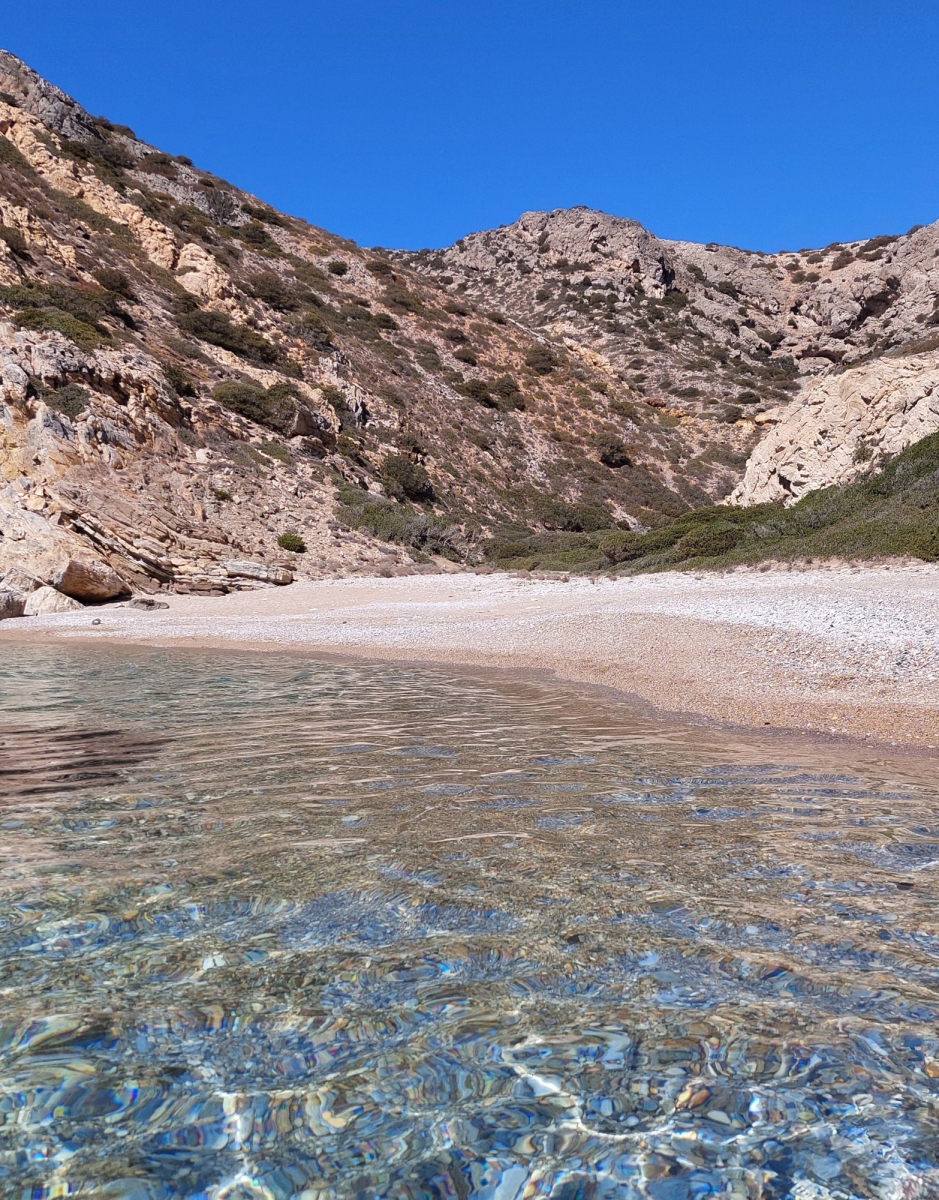
Iraklia is the sea. It’s dramatic cliffs that slink into crystal blue waters.
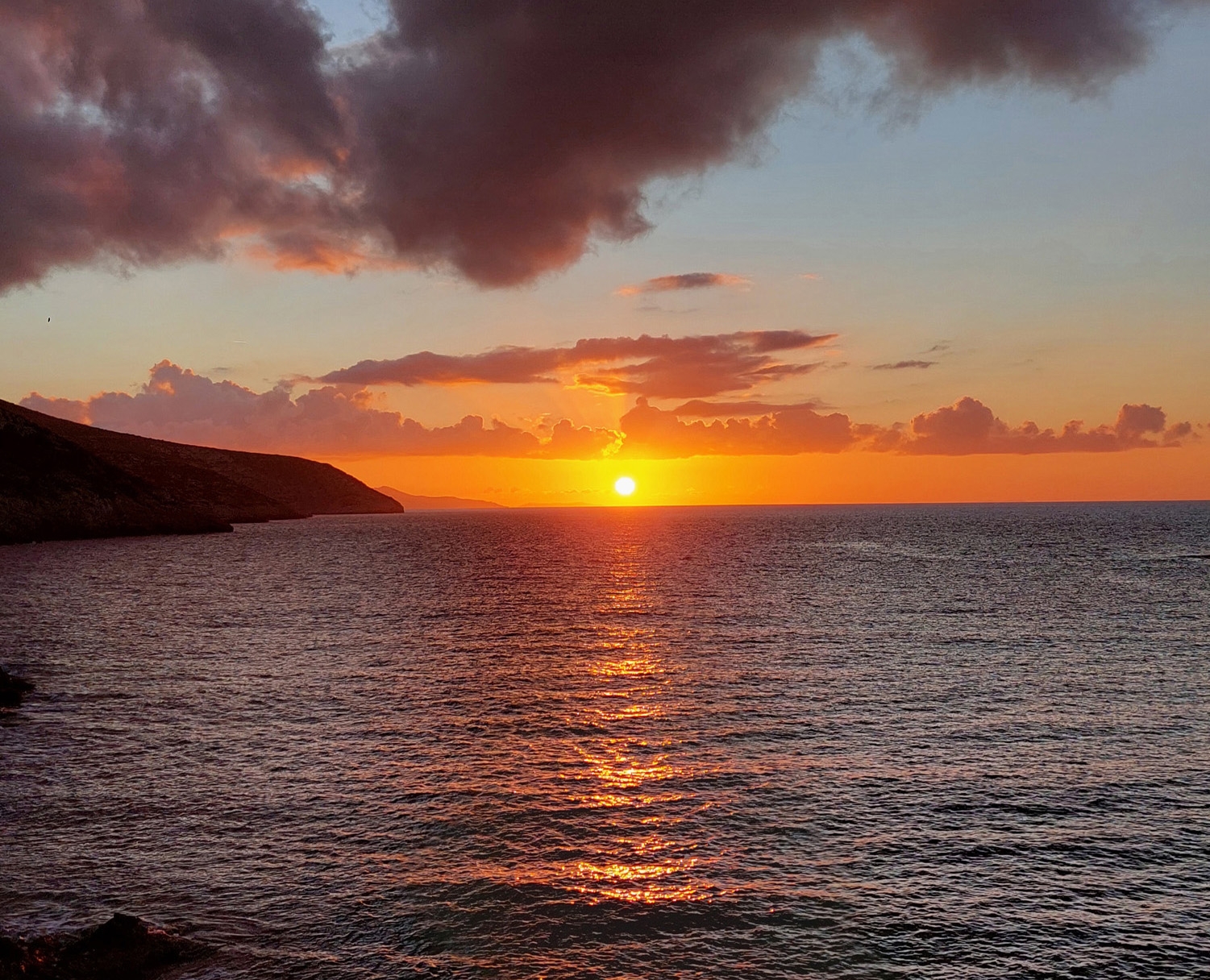
It’s sunrises that leak into your window; it’s sunsets worth a hike.
It’s dry and quiet in the summer; it’s vivid green in the spring.
Iraklia is mountains and caves.
It’s a community that convenes to gather rucola and celebrate Easter and the change of the season.
Iraklia is not just another Greek island meant to photograph and forget. This is a place to immerse yourself in nature and culture. It’s an opportunity to reconnect with everything that feeds you, body and soul.

Beaches

How do you decide what makes an unforgettable beach in a country with 13,676 km of coastline? Especially when so many of these beaches grace the covers of magazines, postcards, books, and more? In Iraklia, it comes down to a feeling. There’s a sense of isolation and tranquility, even in the busiest months, that makes the deep blue of the sea feel even more deep, even more immersive.

- Agios Giorgos might be the first beach you encounter here in Iraklia - but there’s so much more to explore on this island.
- Find us at Livadi, the biggest beach of Iraklia, where locals spend their nights watching the stars, taking an evening dip, and, if you’re on a specific side of this beach, soaking in the moonlight nude.
- Tourkopigado sits on the other side of Panagia, the island’s main village; more accessible than some, surrounded by mountains.
- Vorini Spilia is a quick hike away from the port, and is without a doubt one of the most beautiful beaches. It’s also the one that brings locals together to keep it clean - although during the summer, this responsibility resides with visitors.
- Ammoudi and Mikro Amomoudi feel private, even during August. You’ll only be able to reach it by boat, and you’ll find yourself surrounded by wild scenery. We count them among the best beaches in the Cyclades.
- Karvounolakos is another beach that you’ll only get to by boat - another experience that will feel private no matter what time of year you go.
- Some say you can only get to Alimia via boat, but intrepid hikers will be able to blaze a path from the ridge of the mountain to the beach.
Hiking

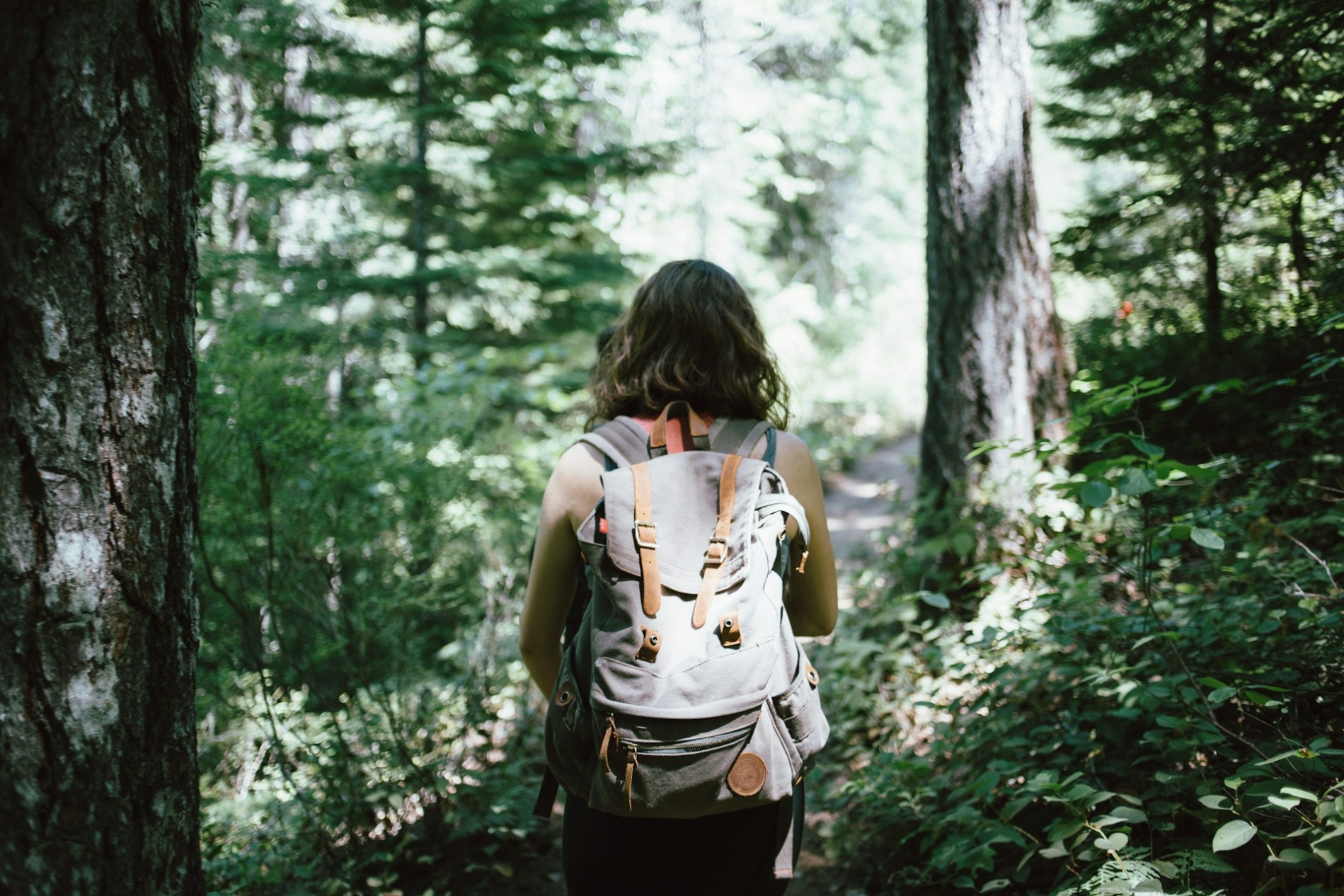
Trails dot the terrain of Iraklia, connecting coast to mountain to coast again. You can trek for hours, or you can take a quick walk through dirt roads. Scurry up rock faces and navigate through fields where goats and cows roam free. From sunset overlooks to winding trails, there’s something for every visitor.

- Head to the cave of Agios Ioannis, the biggest cave in the Cyclades, from Panagia or the port, and explore an impressive maze of stalactites and stalagmites, as well as a rare kind of stalagmitic substance known as ”cave-milk”.
- Venture to the beautiful Alimia beach from one of the island’s most challenging and exciting trails.
- Unofficial trails form a network across the island, bringing you to the most remote places with the most stunning panoramas.
- Go for the views: head to Upper Merichas trail for an easy jaunt to one of the island’s most breathtaking sunsets, or walk to Pappas peak for a 360 view that covers Naxos, Ikaria, Amorgos, Santorini, Ios Anafi, and even Crete’s Lefka Ori when the wind is just right.
Nature

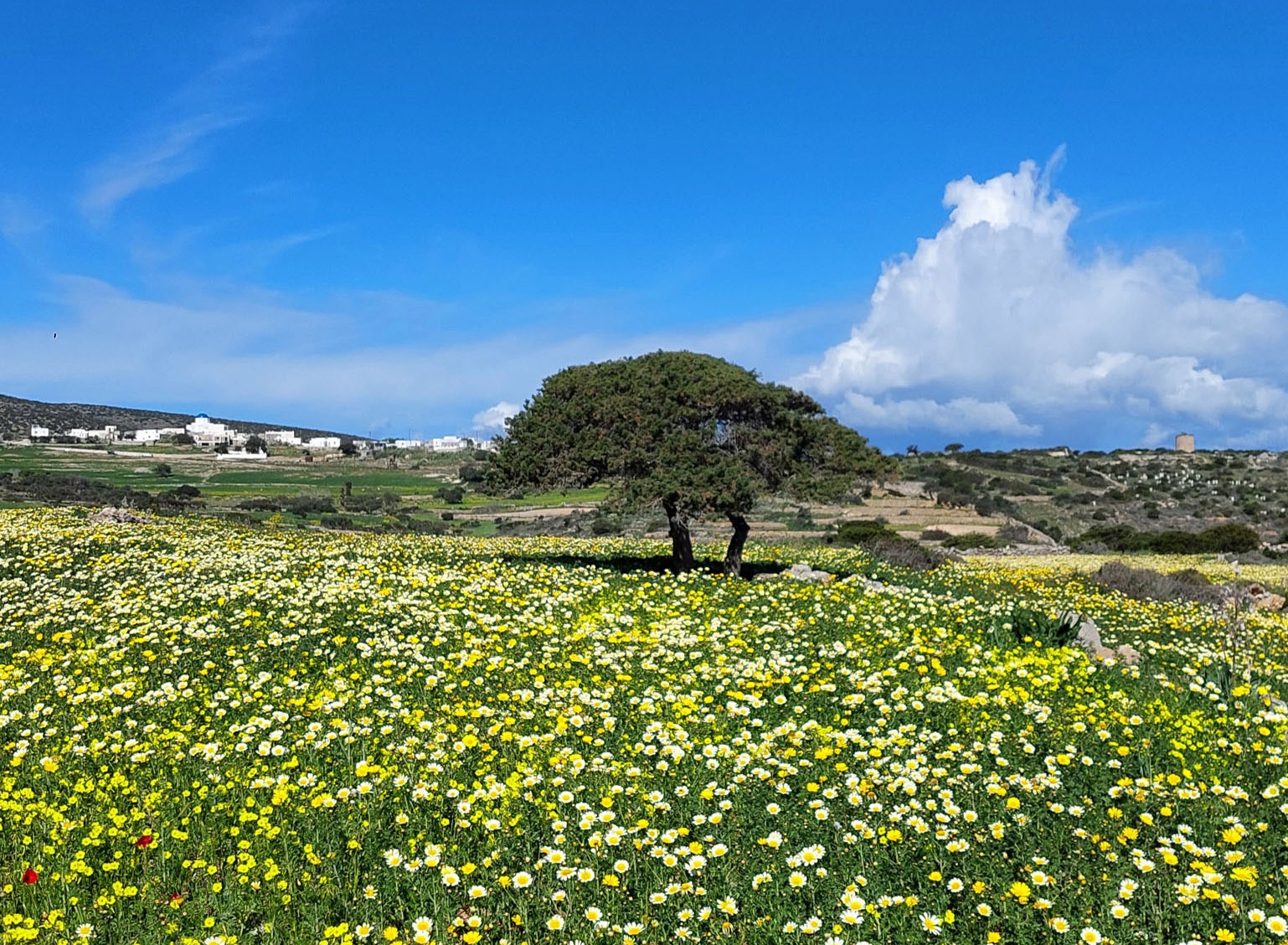
Iraklia is more than summer and azure waters - this is an island with full seasons. The rains begin in October, a refreshing sip of life after months of drought, and will continue through December. Once the rain stops, the island is carpeted in lush green, a color you never expect to find in the dry Cyclades, and flowers begin to bloom, with the peak in February. Blues become deeper, both in the sky and in the sea, and the clouds absorb the hues of the sun, transforming the sky into a new riot of color every morning and night.

Wintertime is when wildlife takes over: goats, cows, sheep, and birds all form the soundtrack to spring, and a connection to nature is almost inevitable. But it isn’t just the connection to the land that strengthens as the weather changes. The sea becomes cooler and quieter in the winter, and calamari season begins, a chance to immerse yourself in the salt and spray that is so integral to the island.

History

Iraklia, known historically as Arakleia or Irakleitsa, carries a remarkably deep past for such a small island. Archaeological evidence shows continuous human presence from the Early Bronze Age, with finds dating from around 3200 B.C., when Cycladic civilization flourished. Ancient petroglyphs carved into stone, or mysterious spiral forms known locally as Speires, along with figurines and settlement remains, point to an early culture with symbolic, possibly astronomical or even ritual significance. Ruins at Livadi and the fortress of Kastro further attest to the island’s strategic role throughout antiquity.

For much of its history, however, Iraklia’s isolation made it vulnerable. During the Middle Ages and Ottoman period, pirate raids repeatedly forced inhabitants to abandon the island, leaving it sparsely populated or entirely deserted for long stretches of time. Under Venetian administration from Naxos, Iraklia functioned more as a refuge and hideout than a settled community. By the late 18th century, the land was largely uncultivated, used mainly as grazing ground by monks from the Monastery of Panagia Hozoviotissa on nearby Amorgos, with which Iraklia has long shared close ties.

Permanent resettlement began in the 19th century, when piracy declined and families from Amorgos gradually made Iraklia their home, founding the villages of Agios Athanasios, Panagia and Agios Georgios. Since then, the island has remained quietly inhabited, preserving its rhythms, traditions, and unspoiled landscape. Today, Iraklia’s layered history - prehistoric, medieval, and modern - coexists with its protected natural beauty, offering a rare sense of continuity, stillness, and connection to the land and sea that shape life here.

Experiences

An abundance of nature leads to an abundance of experiences, all at the tip of your fingers in Iraklia. Go bird watching, take a boat to go angling or get a new sunset view, harvest wild rucola, olives, or wild saffron, and press your own olive oil. And at Mahayana, we’ll help you cater activities to your interests and needs in day-long or multi-day itineraries.
whatsapp